
Eggshell vs. Satin Paint: Which Finish Fits Your East Texas Home?
For most living rooms and bedrooms, eggshell is a useful starting point: a little sheen without a noticeably shiny wall. Satin is worth considering where fingerprints, splashes, and frequent wiping are bigger concerns. The right choice also depends on the paint product, your wall texture, and the light in the room.
If you're planning an interior repaint in Longview or nearby East Texas, decide on the finish before approving the project. A color you love can look quite different across a softly finished wall and a more reflective one.
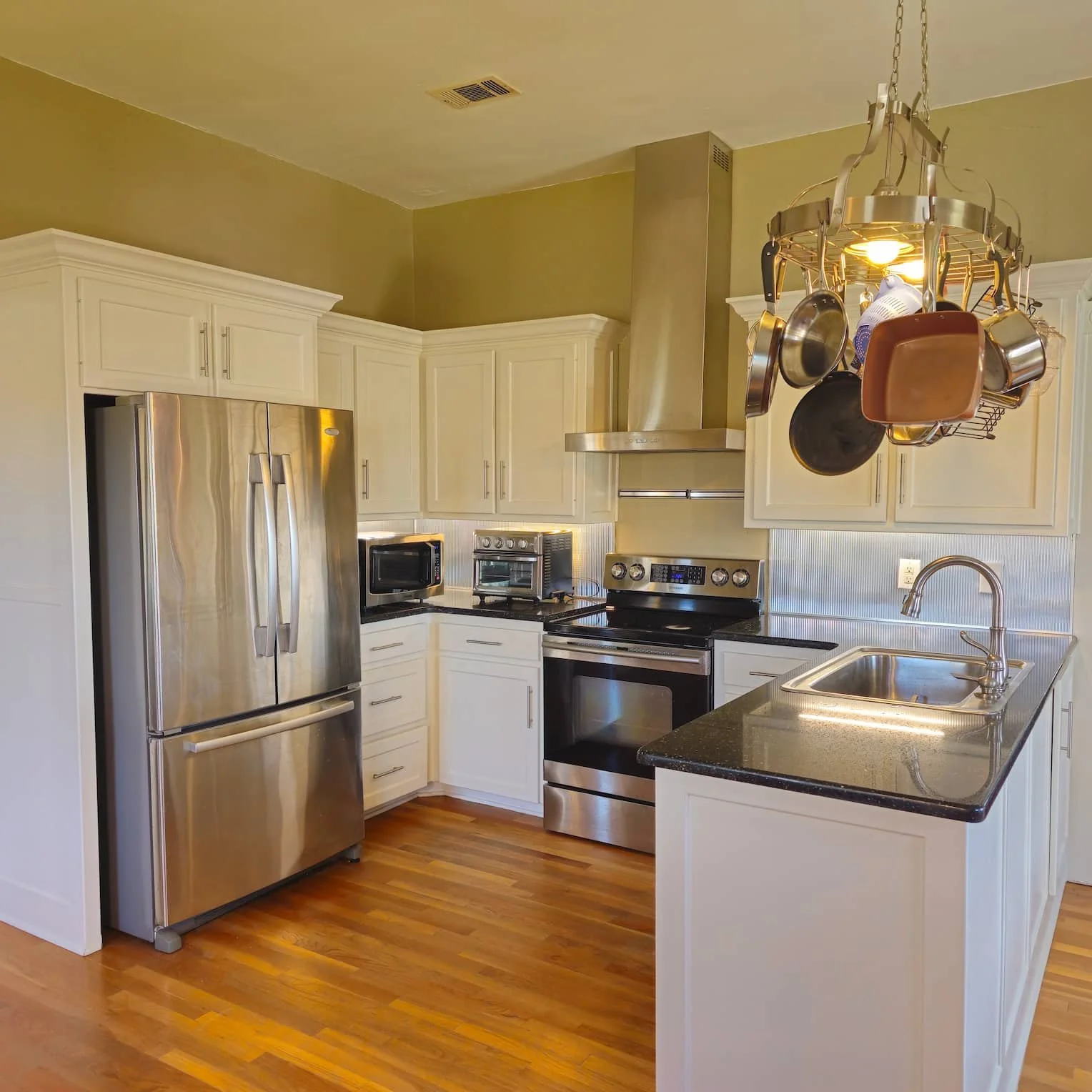
Eggshell or satin? Start with what bothers you now
Sheen means how much light the dried paint reflects. Eggshell usually has a softer glow; satin usually reflects more light. Names aren't identical across brands and product lines, so compare actual finishes within the paint you're considering.
Choose eggshell as a starting point if you want understated walls, moderate cleanability, and less attention drawn to texture.
Consider satin if the wall needs regular cleaning and you like a little more shine. Expect surface irregularities to be easier to notice.
Ask about a washable matte if glare is your main frustration. Some modern matte products offer good cleaning performance, but ordinary flat paint isn't automatically equivalent.
Sherwin-Williams explains these tradeoffs in its guide to paint sheens. The practical lesson: choose the product and finish together. A sheen label alone doesn't tell you how well a wall will resist stains or washing.
Match the finish to the room
Living rooms, dining rooms, and bedrooms
Start by comparing eggshell with a washable matte. Both can suit a quieter look; eggshell adds a little reflection. If your Longview living room has a broad window or a lamp that throws light along a wall, inspect that wall from the doorway before choosing a shinier finish.
Imagine a room with an older drywall patch beside a window. Satin may make the patch more noticeable as the light changes. A lower sheen can soften its appearance, but it won't repair uneven texture. Include any patch correction in the painting scope.
Hallways, entryways, and children's rooms
Think about the marks you actually clean: hands beside light switches, a pet's favorite corner, or backpacks brushing an entry wall. Compare the specific paint's washability as well as its sheen. Satin can be a practical option, while a durable eggshell may give you the appearance you prefer with adequate cleaning performance.
Ask how long the selected paint needs to cure before washing. Dry to the touch doesn't mean ready for scrubbing; use the product's cleaning instructions.
Kitchens, bathrooms, and laundry rooms
Choose a coating intended for the room's exposure to moisture and cleaning. Satin is a common option, but a bathroom doesn't automatically need glossy walls. Benjamin Moore's finish guide identifies specially formulated matte paint for humid bathrooms, illustrating why product selection matters.
East Texas humidity is a reason to pay attention to moisture, not a reason to put the same shiny finish in every room. Tell your painter about persistent condensation, peeling near a shower, or recurring damp spots. Those conditions need investigation; changing the sheen alone won't solve the cause.
Ceilings, doors, and trim
Flat is a common starting point for ordinary ceilings because it minimizes reflection. Doors and trim often suit satin or semi-gloss in a coating made for those surfaces. A bathroom ceiling may need a different product from a bedroom ceiling.
Specify these surfaces separately. Choosing eggshell for the walls doesn't mean every surface in the room should receive that same paint.
Test the finish in your home's light
The useful test is on your wall, under your lighting. A product photo can't reliably show how shiny the finish will look in your room.
Narrow the color first. Our interior paint color guide can help with that decision.
Ask for a dried sample of the actual product and sheen you're considering. A color sample may use a different finish from the final paint.
View it straight on and from an angle, in daylight and with your evening lights on.
Check it beside the trim and across adjoining rooms. Decide where any finish changes should stop.
For an open living and dining area, make that last decision before work begins. A continuous wall is a poor place to discover that two adjoining spaces were assigned different sheens.
What to confirm before your interior repaint
Bring a short room list to the estimate visit and point out the walls that show marks, glare, or past repairs. Ask for the proposal to identify:
The paint brand, product line, color, and sheen for each surface.
Which walls, ceilings, doors, and trim are included.
The preparation needed for visible patches or uneven texture.
Where colors or finishes change between connected spaces.
You don't need every finish selected before starting the conversation. East Pine Painting offers interior painting in Longview and East Texas. Request a free estimate and tell us which rooms you're considering, what you'd like to change, and what isn't working with the current finish.