
The Best Time of Year to Paint Your Home in East Texas
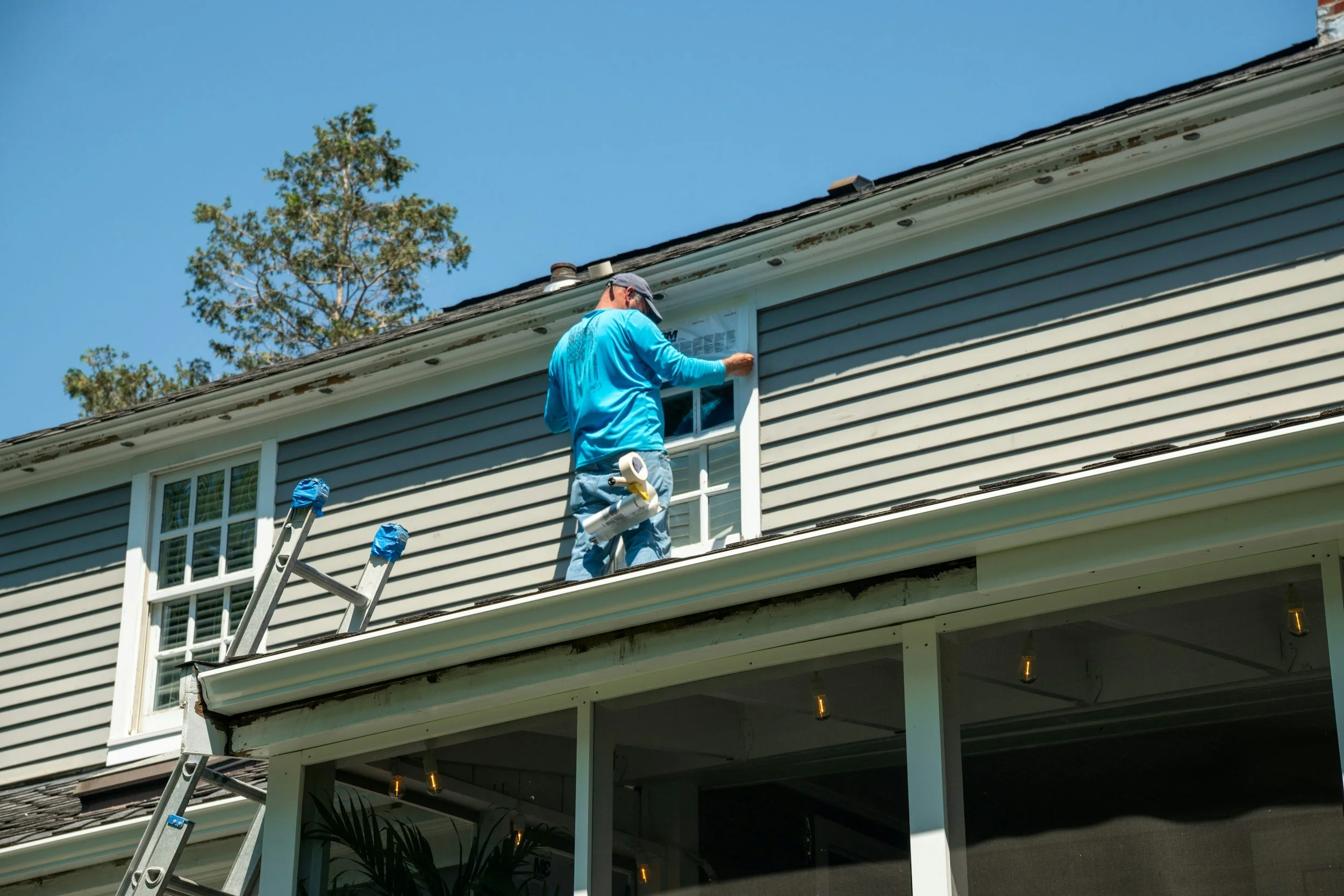
When Is the Best Time to Paint in East Texas?
A fresh coat of paint can protect your home, boost curb appeal, and make your space feel brand new—but timing matters. East Texas weather brings intense summer heat, high humidity, sudden rain, and cooler winter stretches. Choosing the right conditions helps paint cure evenly and creates a finish that lasts.
Whether you’re planning an exterior refresh or updating the rooms inside your home, here’s what Longview-area homeowners should know before putting a project on the calendar.
Spring: A Great Window for Exterior Painting
Spring is often one of the best times to paint a home in East Texas. Temperatures are usually more comfortable, and there are more mild days before the strongest summer heat arrives.
Why Spring Works:
✔️ Moderate temperatures help paint dry and cure properly.
✔️ Longer daylight hours give painters more time to work.
✔️ Fresh paint gets your exterior ready before summer sun and humidity peak.
🚨 Pro Tip: Spring showers can appear quickly. A professional painter will watch the forecast and make sure siding, trim, and other surfaces are completely dry before painting.
Fall: Another Smart Choice for Long-Lasting Results
Fall can offer some of the most dependable painting weather of the year. After the hottest part of summer passes, cooler temperatures make exterior work more predictable and comfortable.
Why Homeowners Choose Fall:
✔️ Lower heat reduces the chance of paint drying too quickly.
✔️ Mild days can create ideal conditions for smooth, even coats.
✔️ New paint helps seal and protect exterior surfaces before winter.
If your home shows fading, peeling, or exposed wood after a long Texas summer, fall is a good time to address it before moisture reaches unprotected surfaces.
Can You Paint During an East Texas Summer?
Yes—but the schedule and product choice matter.
Direct sunlight can make siding and trim much hotter than the air around them. If paint dries too fast, it may not level or bond as well as it should. High humidity and afternoon storms can also affect the job.
How Professionals Handle Summer Painting:
✅ Start on shaded areas and follow the shade around the house.
✅ Avoid painting surfaces that are extremely hot to the touch.
✅ Use quality exterior coatings designed for demanding weather.
✅ Plan around rain and allow enough drying time between coats.
🚨 Pro Tip: The forecast is only part of the picture. Surface temperature, humidity, shade, and wind all affect how paint performs.
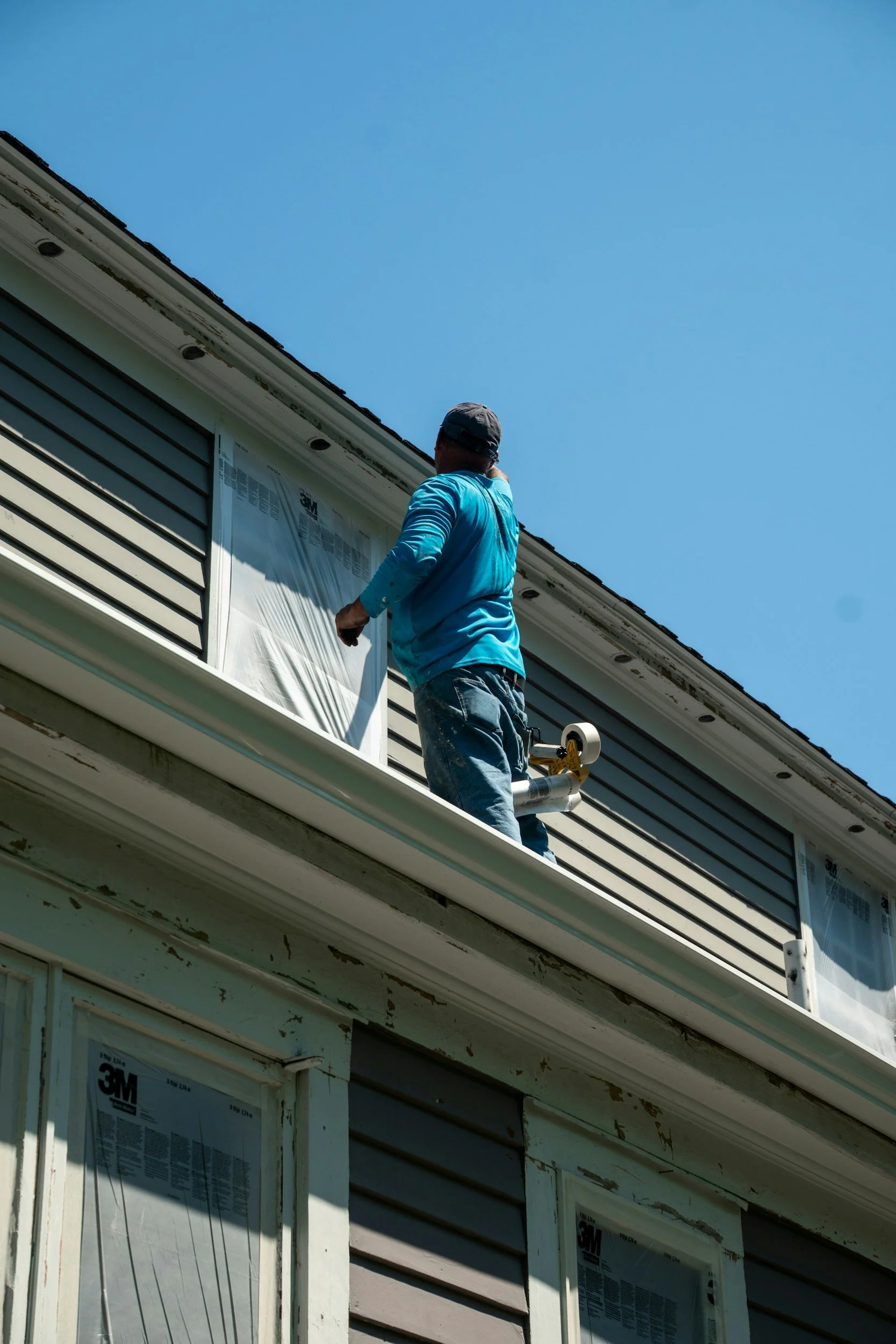
What About Winter Painting?
East Texas winters are often mild enough for painting, but cold snaps can narrow the working window. Many modern paints can be applied in cooler weather, but every product has its own temperature and moisture requirements.
Winter may work well when:
✔️ Daytime temperatures stay within the paint manufacturer’s recommended range.
✔️ The surface is dry and free from condensation.
✔️ Temperatures will remain stable long enough for the paint to cure.
A professional painter can select the right product and decide whether conditions are suitable instead of risking a finish that fails early.
Interior Painting Works Year-Round
Unlike exterior work, interior painting can be completed in any season. That makes it a great option during rainy weeks, extreme heat, or cooler winter weather.
Popular Times for Interior Projects:
🎨 Before hosting family or holiday gatherings
🎨 Before moving into a new home
🎨 During a kitchen or bathroom update
🎨 When preparing a home for sale
🎨 Anytime walls, trim, or cabinets look worn or outdated
Good ventilation and climate control help interior paint dry consistently. Professional preparation—cleaning, patching, sanding, caulking, and protecting floors and furniture—is just as important as the season.
Signs You Should Paint Soon Instead of Waiting
The calendar matters, but the condition of your home matters more. Delaying repairs can allow small paint problems to become expensive wood or moisture problems.
Watch for:
❌ Peeling, cracking, or bubbling paint
❌ Faded color on sun-exposed walls
❌ Bare wood or damaged caulk around windows and doors
❌ Mildew or persistent staining
❌ Chalking residue on exterior surfaces
❌ Scuffed, stained, or difficult-to-clean interior walls
🚨 Pro Tip: If bare wood is exposed, schedule an inspection soon. Paint is a protective barrier, and uncovered surfaces are more vulnerable to East Texas moisture and sun.
Final Thoughts: Plan for the Weather, Not Just the Season
For most exterior projects in East Texas, spring and fall offer the easiest conditions. Summer and winter can also work when the forecast, surface temperature, and materials are managed carefully. Interior painting is flexible year-round.
The best approach is to plan early, stay flexible, and work with a local painter who understands East Texas weather.
📌 Quick Recap:
✔️ Spring and fall usually offer the most comfortable exterior painting conditions.
✔️ Summer projects require careful shade and heat management.
✔️ Winter painting depends on the product and daily temperatures.
✔️ Interior painting can be scheduled throughout the year.
✔️ Peeling paint or exposed wood should be addressed promptly.
🎨 Ready to Plan Your Painting Project?
At East Pine Painting, we know how East Texas heat, humidity, rain, and storms affect your home. We use thorough preparation, quality materials, and weather-aware scheduling to create a finish built to last.
✅ Free estimates
✅ Local painting professionals
✅ Interior, exterior, and cabinet painting
✅ No upfront payment—you pay when satisfied
📞 Contact East Pine Painting today to schedule your free estimate and find the right time for your project.